The world of horse racing is a thrilling and vibrant sport that captures the attention of millions across the United Kingdom. However, there are occasions when significant races and events are either postponed or cancelled entirely. This can lead to various implications for fans, participants, and the entire betting ecosystem. For those interested in alternatives in such situations, there are UK horse racing not on GamStop horse betting sites not on GamStop to explore.

The Importance of Horse Racing in the UK
Horse racing has been a staple of British culture for centuries, steeped in tradition and excitement. Major events such as the Grand National, Royal Ascot, and Cheltenham Festival draw enormous crowds and significant betting action. The sport not only entertains millions but also significantly contributes to the economy, supporting jobs in training, betting, and event management. With so much riding on each race, the sudden cancellation or postponement of key events can ripple through the industry, affecting countless stakeholders.
Reasons for Cancellation or Postponement
There are several reasons why horse racing events might not take place as scheduled. Weather conditions are among the most significant factors. Heavy rain, snow, or extreme temperatures can render tracks unsafe for both horses and riders. Additionally, outbreaks of disease among horses, such as EHV (Equine Herpesvirus) or other infectious diseases, can lead to the immediate cancelation of races to protect the wellbeing of the animals and maintain safety standards.
Another common reason involves logistical challenges. From track maintenance issues to security concerns, the industry must navigate a variety of obstacles that can unexpectedly arise. Furthermore, regulatory changes or financial instabilities can also lead to the suspension of racing events. Understanding these reasons provides insight into the complexities of organizing such events in an ever-changing environment.
Effects on Bettors
For bettors, the cancellation or postponement of races can be incredibly frustrating. Many individuals engage in horse racing not only for entertainment but as a serious investment strategy. When events do not go ahead, money is left on the table, and bettors must scramble to find alternative opportunities to wager on. This is where platforms that are not part of self-exclusion schemes like GamStop can be beneficial, providing additional avenues for gambling when traditional events are unavailable.
Moreover, the disappointment felt by fans and bettors can impact their engagement with the sport. Frequent cancellations can lead to dwindling interest, as people seek other forms of entertainment. Therefore, maintaining a consistent schedule of events is crucial for retaining and growing the fanbase of this beloved pastime.
Impact on Horse Racing Industry
Beyond the individual level, the broader horse racing industry also suffers consequences when events are not conducted as planned. Revenue loss from ticket sales, betting, and sponsorships can pose serious financial challenges for racecourses. In some cases, tracks might find themselves at risk of closure or downsizing if financial stability erodes due to regular cancellations.
Moreover, trainers, jockeys, and owners who rely on the income generated through race days will feel the strain. Their livelihoods are often closely tied to the number of races held throughout the year. This can lead to a ripple effect throughout the equestrian community, affecting job stability, breeding operations, and even the future of racehorses through less lucrative training and competition opportunities.
The Future of UK Horse Racing Events
In light of the various disruptions that can arise, the future of horse racing in the UK may have to adapt and innovate to maintain its prominence on the sporting calendar. Advances in technology have allowed for new forms of engagement and betting experiences, including virtual racing and live streaming of events. These alternatives not only entertain but also provide crucial income streams when physical events are unavailable.
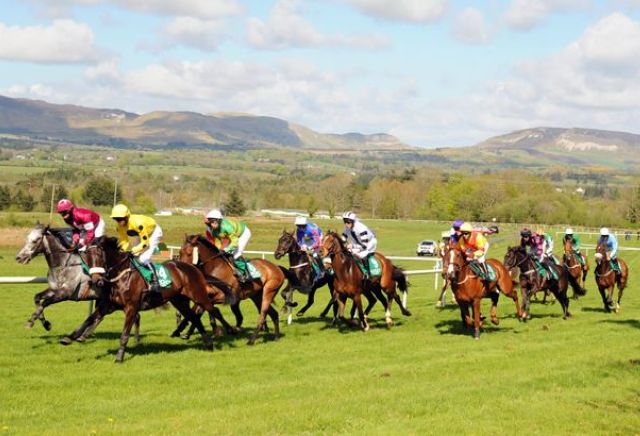
Furthermore, organizations involved in horse racing are also working diligently to enhance the safety and health measures for horses to mitigate the risks of disease outbreaks. Better protocols and preventive measures may lead to fewer cancellations and a more reliable racing schedule. The hope is that as awareness and technologies improve, the occurrence of unplanned interruptions will diminish, keeping the sport both vibrant and secure.

Conclusion
While the charm and excitement of UK horse racing cannot be denied, the reality of cancelled events is something the industry must continuously tackle. Whether due to weather, disease, or logistical challenges, these interruptions pose risks to fans, bettors, and the entire racing community. However, with ongoing innovations and a dedicated approach to safety, the future of horse racing can remain bright and inviting.
As the industry adapts to current challenges and employs new strategies for engagement, fans can look forward to a future where thrilling races and favorable betting opportunities abound, even on the cloudy days when events might not take place.